Linguini Crab Pasta with Lime Zest A Step by Step Guide to a Bright Elegant Dinner

A great crab pasta should taste like the coast without feeling heavy. The crab needs space to shine. The pasta should be glossy, not drowned. The citrus should lift everything just enough that each bite feels fresh, sweet, and a little luxurious.
This linguini crab pasta with lime zest does exactly that. It comes together in the time it takes to boil pasta, but it lands on the table like something you planned all afternoon. The sauce is simple: olive oil, butter, garlic, a splash of white wine, pasta water, sweet crab, herbs, and a final shower of lime zest. That last touch is what gives the dish its sparkle.

Why this crab pasta feels so elegant
Crab has a natural sweetness that works beautifully with bright, clean flavors. Unlike heavier seafood pastas with cream or tomato, this recipe keeps the sauce light. The goal is to coat each strand of linguini with a silky glaze, then fold in the crab at the end so it stays tender.
Lime zest is the quiet star. Lime juice can be sharp if you add too much, but zest gives you the fragrant oils from the peel. Those oils carry a floral citrus aroma that cuts through the richness of butter and olive oil. They also make the crab taste sweeter and fresher.
The dish has a layered flavor profile:
Sweetness from the crab
Lump crab meat brings clean, delicate sweetness.
Richness from butter and olive oil
This gives the pasta a glossy finish without making it heavy.
Aromatic depth from garlic and shallot
These build the base of the sauce.
Brightness from lime zest
The zest adds lift, fragrance, and a crisp finish.
Gentle heat from red pepper flakes
A small pinch keeps the dish lively.
This is the kind of meal that works for a date night, a small dinner party, or a quiet Friday when you want something better than takeout.
Ingredients that make the dish shine
Use the best crab you can find, because the recipe is simple and the crab is the main event. Fresh lump crab meat is ideal, but high-quality refrigerated pasteurized crab works well too. Avoid heavily shredded crab if possible. Larger pieces give the finished pasta a more generous, elegant look.
Ingredients for 4 servings
Ingredient | Amount | Notes |
Linguini | 12 ounces | Spaghetti or fettuccine also work |
Lump crab meat | 8 to 10 ounces | Picked over for shells |
Extra-virgin olive oil | 3 tablespoons | Use a mild, fruity oil |
Unsalted butter | 3 tablespoons | Cold butter helps finish the sauce |
Shallot | 1 small, finely minced | Adds gentle sweetness |
Garlic | 3 cloves, thinly sliced or minced | Do not let it brown |
Dry white wine | 1/2 cup | Sauvignon Blanc, Pinot Grigio, or dry vermouth |
Lime zest | From 2 limes | Zest before juicing |
Lime juice | 1 to 2 tablespoons | Add to taste |
Red pepper flakes | 1/4 teaspoon | Optional, but recommended |
Fresh parsley | 1/3 cup, chopped | Chives or basil can be added |
Kosher salt | As needed | For pasta water and seasoning |
Black pepper | To taste | Freshly cracked is best |
A few ingredients deserve special attention.
The linguini
Linguini works well because it is slightly wider than spaghetti, which helps it catch the light sauce. Cook it until just al dente, since it will finish briefly in the pan.
The crab
Crab is delicate. Add it near the end and fold it in gently. You are warming it, not cooking it hard. Too much heat can make crab stringy and dry.
The lime zest
Use a microplane or fine grater, and zest only the green outer layer. The white pith underneath tastes bitter. Zest the limes directly over the pasta if you can. This captures the aromatic citrus oils right where you want them.
The pasta water
This is not just leftover boiling water. It is a sauce ingredient. The starch helps olive oil, butter, and wine cling to the noodles.

Step by step guide to making linguini crab pasta
Before you start, set out all ingredients. This pasta moves quickly once the noodles hit the water. Zest the limes, chop the parsley, mince the shallot, slice the garlic, and check the crab for any tiny shell fragments.
1. Boil the pasta water
Bring a large pot of water to a strong boil. Salt it well. It should taste pleasantly seasoned, not briny.
Add the linguini and cook until it is about 1 minute shy of al dente. Check the package time, then start tasting early. The pasta should have a little firmness in the center.
Before draining, scoop out at least 1 cup of pasta water. You may not use all of it, but having it ready gives you control over the sauce.
2. Start the aromatic base
While the pasta cooks, place a large skillet over medium heat. Add the olive oil and 1 tablespoon of butter.
Add the minced shallot and cook for 2 to 3 minutes, stirring often, until it softens. Keep the heat moderate. You want sweetness, not browning.
Add the garlic and red pepper flakes. Cook for about 30 seconds, just until fragrant. Garlic burns fast, so stay close.
3. Deglaze with white wine
Pour in the white wine. It should sizzle as it hits the pan. Stir and scrape up any flavorful bits from the skillet.
Let the wine simmer for 2 to 3 minutes, until it reduces slightly. This cooks off the strong alcohol edge and leaves a clean acidity that suits the crab.
If you do not cook with wine, use seafood stock, clam juice, or low-sodium chicken broth with a small squeeze of lime.
4. Build the silky sauce
Add about 1/2 cup of reserved pasta water to the skillet. Swirl the pan, then add the remaining 2 tablespoons of cold butter in small pieces.
Stir or toss until the butter melts into the liquid. The sauce should look glossy and lightly thickened, not oily or separated.
This is one of the essential cooking techniques in the recipe. Pasta water and fat come together through motion and heat. Tossing the noodles in the pan helps the starch bind the sauce.
5. Toss the linguini in the sauce
Transfer the drained linguini to the skillet. Use tongs to toss it through the sauce for 1 to 2 minutes.
If the pasta looks dry, add more pasta water a splash at a time. If it looks watery, keep tossing over medium heat until it tightens up.
The noodles should look shiny and lightly coated. There should not be a pool of liquid at the bottom of the pan.

6. Fold in the crab gently
Lower the heat to low. Add the crab meat and fold it through the pasta with tongs or a soft spatula.
Try not to break up the crab too much. Large pieces make the dish feel generous and refined.
Warm the crab for 1 to 2 minutes. It only needs to heat through.
7. Add lime zest and herbs off the heat
Turn off the heat. Add most of the lime zest, 1 tablespoon of lime juice, chopped parsley, and a few grinds of black pepper.
Toss gently. Taste, then adjust.
If the dish needs more brightness, add a little more lime juice. If it needs savoriness, add a pinch of salt. If it tastes flat, a small splash of pasta water and another toss can bring it back together.
Save a little lime zest and parsley for serving.
8. Plate while the pasta is glossy
Use tongs to twirl portions into warm shallow bowls. Place visible pieces of crab on top rather than burying them. Finish with the remaining lime zest, parsley, black pepper, and a thin drizzle of olive oil.
Serve right away. Crab pasta is at its best when the noodles are hot, silky, and freshly tossed.
Essential cooking techniques for the best texture
This recipe is simple, but the details matter. These techniques keep the pasta restaurant-worthy.
Salt the water with confidence
The pasta itself needs seasoning. If the noodles taste bland, the final dish will taste flat no matter how good the crab is.
Cook the aromatics gently
Garlic and shallot should soften and perfume the oil. Browning them can add bitterness, which fights with the sweet crab and lime.
Reduce the wine before adding the pasta
A brief simmer mellows the wine and concentrates its acidity. This gives the sauce lift without a harsh finish.
Use pasta water gradually
Add a little, toss, then decide if you need more. The sauce should hug the linguini. It should not look soupy.
Add crab at the end
This is the most important technique. Crab is already cooked in most cases, so treat it gently. Low heat preserves its soft texture and sweet flavor.
How lime zest changes the flavor
Lime zest does more than make the pasta smell good. It changes how the dish feels on the palate.
Butter and olive oil create richness. Crab adds sweetness. Pasta brings comfort. Without citrus, the dish can taste a little too soft. Lime zest sharpens the edges in a pleasant way. It gives the buttered noodles a clean finish and makes each bite feel lighter than it is.
The zest also adds aroma before you even taste the pasta. When the warm linguini hits the lime oils, the scent rises immediately. That first burst of citrus sets up the sweetness of the crab.
For a balanced dish, use both zest and a modest amount of juice. Zest gives fragrance. Juice gives acidity. Too much juice can overpower the crab, so start small and taste as you go.
Wine and side dishes to serve with crab linguini
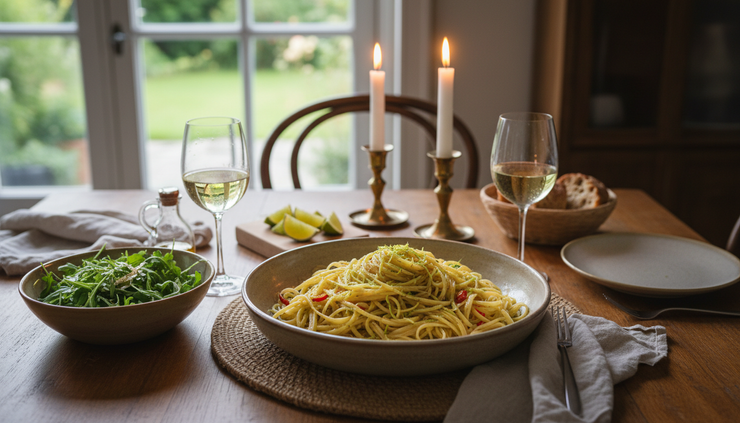
Keep pairings crisp, light, and fresh. The dish already has richness from butter and olive oil, so the best sides add crunch or acidity.
Wine pairings that work well
Sauvignon Blanc
A bright Sauvignon Blanc brings citrus and herbal notes that echo the lime and parsley.
Pinot Grigio
This is a clean, easy pairing with enough acidity to refresh the palate.
Albariño
Albariño is a great match for seafood. It often has citrus and stone fruit notes that flatter crab.
Dry sparkling wine
A brut sparkling wine cuts through the richness and makes the meal feel celebratory.
If you prefer not to serve wine, try sparkling water with lime, iced green tea, or a light cucumber mint spritz.
Side dishes that complete the meal
A simple arugula salad with lemon vinaigrette
Roasted asparagus with olive oil and sea salt
Grilled zucchini with fresh herbs
Crusty bread for catching the light sauce
A shaved fennel salad with citrus
Avoid heavy cream-based sides or cheesy casseroles. They compete with the delicate crab.
Tips for beautiful presentation
A dish this simple benefits from thoughtful plating. The goal is to make the crab and lime visible.
Warm the bowls before serving. Pasta cools quickly, especially with a light sauce. A warm bowl keeps the noodles glossy for longer.
Twirl the linguini with tongs. Set it down in a loose nest rather than a flat pile. This gives height and makes the plate look polished.
Place crab pieces on top. Reserve a few attractive lumps of crab and add them after plating. This signals what the dish is before anyone takes a bite.
Finish with fresh zest. A final dusting of lime zest adds color and aroma. Hold the microplane over the bowl and zest lightly.
Use herbs with restraint. Parsley should look fresh and scattered, not like a thick green blanket.
Add one small lime wedge on the side if you like, but do not squeeze it over the pasta before serving. Let each person decide if they want more acidity.
Make-ahead and storage notes
This pasta tastes best fresh, but you can prep parts ahead.
Pick over the crab, chop the herbs, mince the shallot, slice the garlic, and zest the limes a few hours before cooking. Store the crab covered in the refrigerator until you need it.
Cook the pasta right before serving. Reheated linguini can turn soft, and crab loses some of its charm when warmed more than once.
If you do have leftovers, store them in an airtight container in the refrigerator for up to 2 days. Reheat gently in a skillet over low heat with a splash of water. Stir softly and stop as soon as the crab is warm.
A bright dinner worth repeating
Linguini crab pasta with lime zest is proof that elegant cooking does not need to be complicated. A few good ingredients, careful heat, and a smart finishing touch can create a dinner that feels fresh, polished, and deeply satisfying.
The key is balance. Keep the sauce light, let the crab stay sweet and tender, and use lime zest to bring the whole dish to life. Serve it with a crisp white wine, a simple green salad, and warm bowls, then enjoy the kind of meal that feels special without making the evening feel fussy.


Comments